

Hakkımda
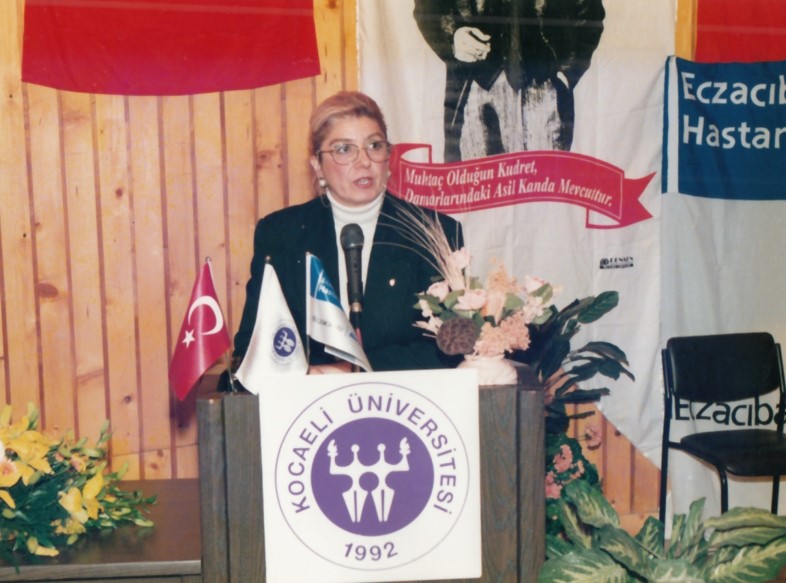
Merhaba, ben Prof. Dr. Itır Yeğenağa.
Uzun yıllardır akademik dünyanın içinde, bilginin hem öğrencisi hem de aktarıcısı olarak var olmaya çalışıyorum.
Bu blog, yalnızca akademik birikimimi değil; aynı zamanda gözlemlerimi, yorumlarımı ve bazen de sorularımı paylaşmak üzere kuruldu.
Paylaştığım Yazılar
Bu blogda yer alan yazılar, akademik zemine yaslansa da yalnızca akademik çevreye hitap etmiyor.
Burada bilimsel kavramlar, güncel toplumsal gelişmeler ve bireysel deneyimlerin kesişiminde, yaşamla temas eden bir düşünce dili kurmaya çalışıyorum.
Kimi zaman bir kavramın tarihsel dönüşümünü, kimi zaman sokakta karşılaştığımız bir davranışın sosyolojik izdüşümünü ele alıyorum.
Amaç, soru sormaya cesaret eden zihinlere, hem kuramsal hem de gündelik içeriklerle katkıda bulunmak.
Yani bu blog; ne sadece akademik, ne de yalnızca kişisel.
Bir profesörün gözünden hayatı, düşünceyi ve değişimi anlamlandırma çabası.
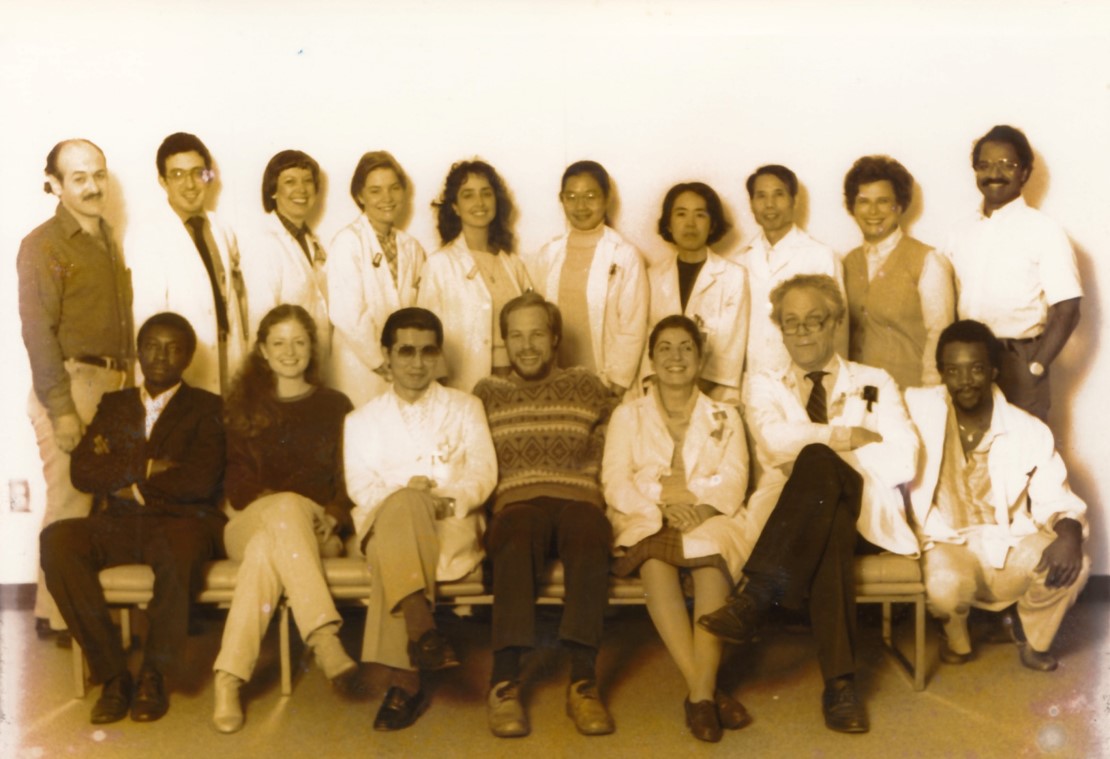
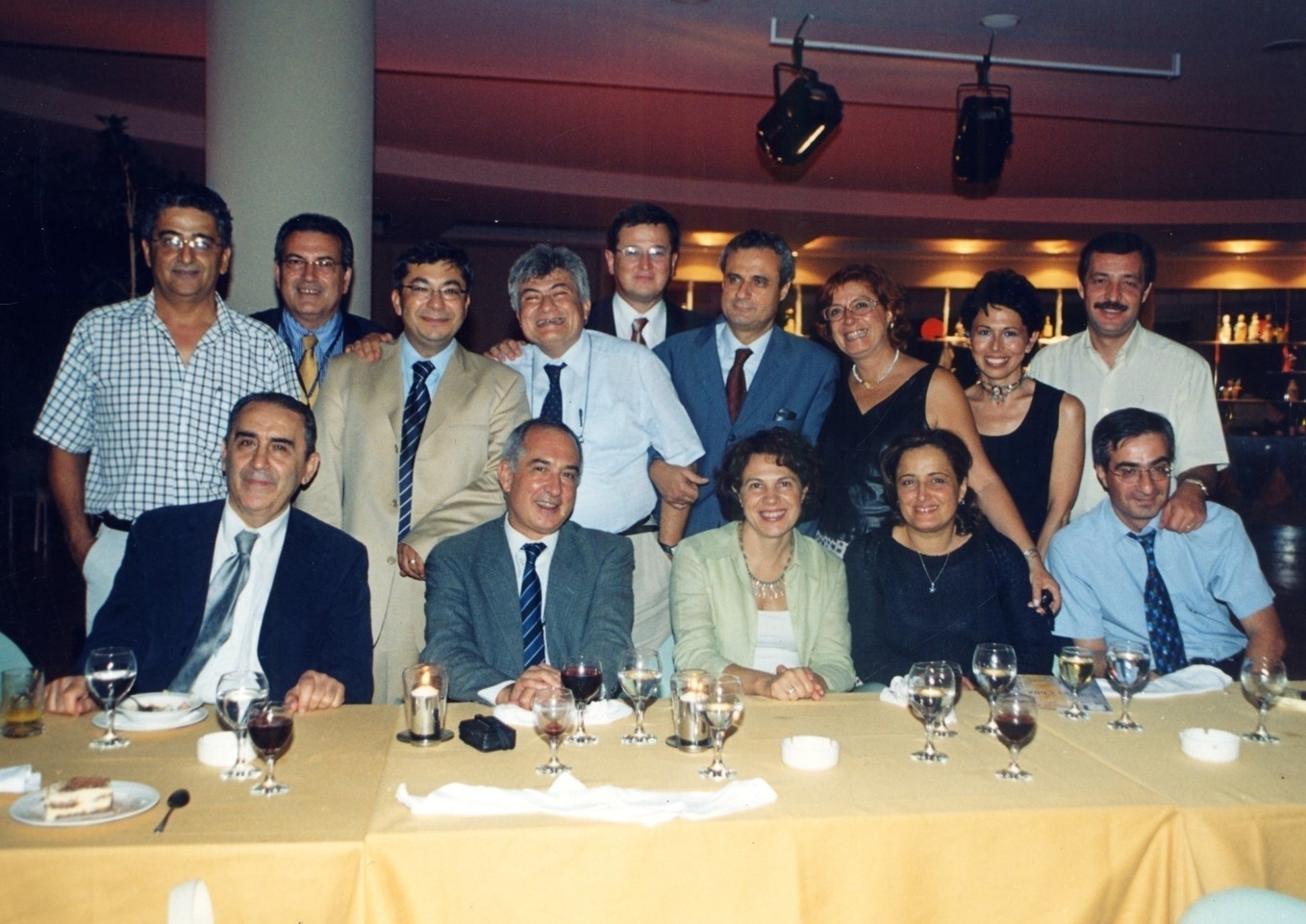
Hikayem
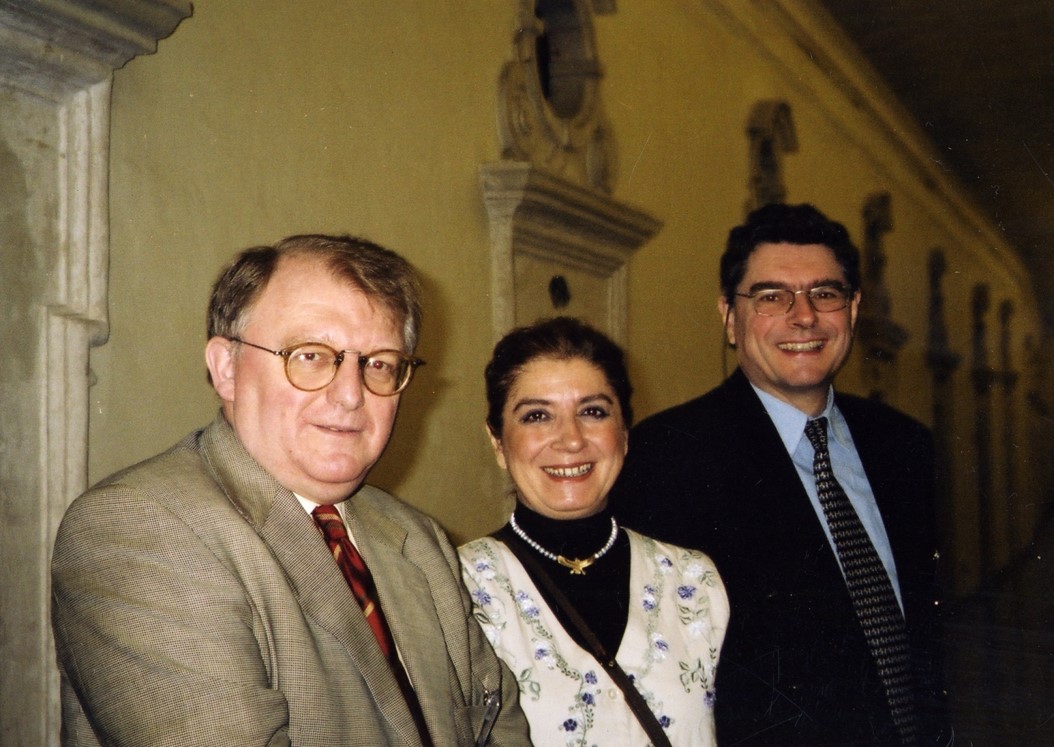
Prof. Dr. ITIR Yeğenağa (Bakioğlu)
CURRICULUM VITAE
Birthplace Kayseri/Turkey
Languages Turkish, English, German
Professional Experiences
Full Professor and clinician at Maltepe University Medical School; Department of Internal Medicine, Nephrology (2016-Present)
Full Professor at Kocaeli University Medical School,
Department of Internal Medicine, Nephrology (1996-2016)
Founding team member for the Haemodialysis unit and Renal
Transplantation Program at the Haydarpasa Numune State Hospital
Haydarpasa, Istanbul/Turkey (1988-1996)
Chief Resident in the Haematology Division, Department of Internal
Medicine at University of Istanbul /Turkey (1981-1983)
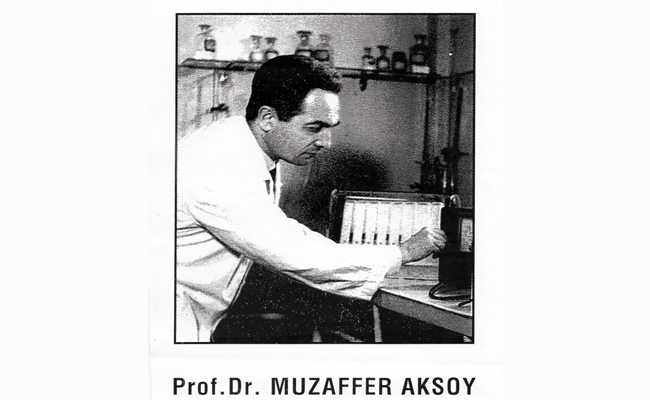
Assistant to Prof. Dr. Muzaffer Aksoy
Fellowships
Nephrology fellowship (2000-2002)
Division of Nephrology, Department of Internal Medicine,
University of Gent, Medical School/ Gent, Belgium (2000-2002)
Research project on “Sepsis and Acute Renal Failure in an Intensive Care Unit”
Mentor: Prof Dr Norbert Lameire and Prof Dr Raymond Vanholder.
Fellowship (1983-1986)
Department of Molecular
Biology/Medical College of Georgia, Augusta,
Georgia, ABD
Mentor; Prof. TJ Huisman Ph.D.
Project Title: Gene Mapping (haplotyping) of DNA’s by
using southern blotting technique in patients
from South part of Turkey with Sickle Cell
Anaemia and Thallassemia.
Academic Degree and Rank Achieved
B.S. (1967-1973) University of Istanbul
Medical School, Istanbul/Turkey
Full Professor in Internal Medicine/Kocaeli University
Medical School (1996)
Research Interests
- Acute Kidney Injury in Critical Ill Patients.
- Application of RIFLE and AKIN criteria in every but chronic kidney failure critically
ill patients and looking at the relationship with CystatinC and NAGAL enzyme
determination. - Molecular biology of Acute Kidney Injury, especially apoptosis preconditioning and
role of Heat Shock Proteins (HSP’s) (BAP Project). - Serum proteomics analysis of patients with high and low turnover uremic bone
disease (BAP project). - Proteomics analysis in mesenchymal stem cells of patients with high and low turnover
uremic bone disease.
PUBLICATIONS
- I. YEGENAGA, A. Heydari, C. Kaya, & S. Ocakci. (2024). “A case of Scleroderma with
coexisting Multiple Myeloma and Bullous Pemphigoid.” Cureus, 16(8): e66568. DOI
10.7759/cureus.66568. - I. YEGENAGA, F.O. Kaya, M.Y. Tunç, N. XX, H.T. Kaloglu, & H.K. Karatas. (2023).
“Autoimmune Events after the COVID-19 Vaccination: Case Reports and Review.”
Annals of Case Reports, 8: 1211 www.doi.org/10.29011/2574-7754.101211. - M. Gursu, I. YEGENAGA, S. Tuglular, B. Dursun, S.G. Bek, S. Bardak, E. Onan, S.
Demir, U. Derici, A. Dogukan, M. Sevinc, I. Kocyigit, E. Altun, A.B. Haras, M.R.
Altiparmak & H.Z. Tonbul. (2022). “Acute kidney injury in Turkey: epidemiological
characteristics, etiology, clinical course, and prognosis.” BMC Nephrology, 23: 326. - I. YEGENAGA, F. Kamis, C. Baydemir, E. Erdem, K. Celebi, N. Eren & N.
Baykara. (2017). “Neutrophilgelatinase-associatedlipocalinisabetter biomarker
than cystatin C for the prediction of imminent acute kidney injury in critically ill
patients.” Annals of Clinical Biochemistry, 55(2): 190-197. - F. Kamis, I. YEGENAGA, M. Musul, C. Baydemir, S. Bek, B. Kalender, & N. Baykara.
(2016). “Neutrophil gelatinase-associated lipocalin levels during the first 48 hours of
intensive care may indicate upcoming acute kidney injury.” Journal of Critical Care 34:
89–94. - M. Kasap, I. Yegenaga, G. Akpınar, M. Tuncay, A. Aksoy, & E. Karaoz. (2015).
“Comparative proteome analysis of hAT-MSCs isolated from chronic renal failure
patients with differences in their bone turnover status.” Plos One,
DOI:10.1371/journal.pone.0142934. - S.K. Ozcan, I. YEĞENAĞA, A. Willke, & N. Baykara. (2013). “Multidrug Resistance
Associated with Acute Kidney Injury Due to Sepsis or Systemic Inflammatory Response
Syndrome in Intensive Care Unit Patients.” Türkiye Klinikleri Journal of Medical
Science, 33(2): 485-92. - I. YEGENAGA, & Z. Aydin. (2014). “Low serum Zinc level may be related to higher
doses of EPO in hemodialysis patients.” Bantao Journal, 12(1): 40-44. - M. Tuncay, E. Kıvrikoğlu, I. YEGENAGA, & E. Dervisoglu. (2014). “ANCA associated
vasculitis and renal failure related to propylthiouracil and hyperthyroidism ınduced
cholestasis in the same cases.” Hindawi Publishing Corporation Case Report in
Nephrology, http://dx.doi.1155/2014/762528. - I. YEGENAGA, S. Tuglular, E. Arı, N. Etiler, N. Baykara, S. Torlak, S. Acar, T. Akbaş,
K. Toker, & Z.M. Solak. (2010). “Evaluation of sepsis/SIRS, acute kidney injury and
RIFLE criteria in two tertiary hospital intensive care units in Turkey.” Nephron Clinical
Practice, 115(4): c276-c282. - E. Dervişoğlu, Z. Yumuk, & I. YEĞENAĞA. (2008). “Citrobacter Freudii peritonitis and
tunnel infection in a patient on Continuous Ambulatory Peritoneal Dialysis.” Journal of
Medical Microbiology, 57(Pt1): 125-7. - E. Dervişoğlu, D.O. Dündar, I. YEĞENAĞA, & A. Willke. (2008). “Peritonitis due to
Pseudomonas Putida in a patient receiving Automated Peritoneal Dialysis.” August 36(4):
379-380.
- E. Dervişoğlu, I. YEĞENAĞA, Y. Anık, E. Sengül, & T. Turgut. (2006). “Diffusion MRI
may provide prognostic information in osmotic demyelination syndrome: report of a
case.” Acta Radyologica, March 47(2): 208-212. - W. Van Biesen, I. YEĞENAĞA , R. Vanholder, F. Verbeke, E. Hoste, F. Colardyn, & N.
Lameire. (2005). “Relationship between fluid status and its management on acute renal
failure (ARF) in intensive care unit (ICU) patient with sepsis: A prospective analysis.”
Journal of Nephrology, 18: 54-60. - S. Keçeli, I. YEĞENAĞA, N. Dağdelen, B. Mutlu, H. Uckardes, & A. Wilke. (2005).
“Case report: Peritonitis by Peniccillum spp. in a patient undergoing continuous
ambulatory peritoneal dialysis.” International Urology and Nephrology, 37: 129-131. - I. YEGENAGA, E. Hoste, R. Vanholder, W. Van Biesen, D. Benoit, G. Kantarci, F.
Verbeke, A.M. Dhont, F. Colardyn, & N. Lameire. (2004). “Clinical characteristics of
patients developing acute renal failure due to sepsis/SIRS: results of prospective study.”
American Journal of Kidney Diseases, 43(5): 817-824. - R. Vanholder, E Hoste, & I. YEGENAGA. (2002). “Clinical characteristics of septic
patients developing acute renal failure (ARF).” International Journal of Artificial
Organs, 25(7): 645-645. - B. Kalender, M. Ozturk, M. Tuncdemir, O. Uysal, F.K. Dagistanli, I. YEGENAGA, & E.
Erek. (2002). “Renoprotective effect of Valsartan and Enalapril in STZ-induced diabetes
in rats.” Acta Histochemica, 104(2): 120-130. - B. Kalender, I. YEGENAGA, A. Çelebi, & H. Dal. (1999). “Ürik asit nefropatisi ve testis
tutulumu ile başvuran non-Hodgkin lenfoma (case report).” Türkiye Klinikleri Journal of
Medical Science,19: 223-226. - G. Haklar, I. YEĞENAĞA-BAKIOĞLU, S.Yalçın. (1995). ”Evaluation of oxidant stress
in chronic hemodialysis patients: Use of different parameters.” Clinical Chimica Acta,
234: 109-114. - I. Titiz, F. Türkmen, I. YEĞENAĞA-BAKIOĞLU, Y. Özel, & D. Güzey. (1994).
“Abdominal pain that mimics acute appendicitis caused by ATG overdose in a kidney
transplant recipient.” Transplant International, 7: 385. - J.R. Aluoch, H.D. Hamming, N.E. Nijenhuis, I. BAKIOĞLU (YEGENAGA), & T.H.J.
Huisman. (1988). “Homozygous beta+
thalassemia in a Dutch teenager: haematological,
clinical and genetic observations, case report.” Netherlands Journal of Medicine, April
32(3-4): 130-135.
- J.Z. Liu, J.G. Gilman, Q. Cao, I. BAKIOĞLU (YEGENAGA), & T.H.J. Huisman.
(1988). “Four categories of gamma globulin gene triplication’s, DNA sequence
comparison of low G and high G triplications.” Blood, 72(2): 480-484. - G.D. Efromov, N. Nikolov, Y. Hattori, I. BAKIOĞLU(YEGENAGA), & T.H.J.
Huisman. (1986). “The 18 to 23 kb deletion of the Macedonian delta beta thalassemia
includes entire delta and beta globin genes.” Blood, 68(4): 971-974. - A. Kutlar, T. Hattori, I. BAKIOĞLU(YEGENAGA), F. Kutlar, K. Kamel, & T.H.J.
Huisman. (1985). “Haematological observations on Arabian SS patients with a
homozygosity or heterozygosity for a beta S chromosome with haplotype 31.”
Hemoglobin, 9: 545-557.
M. Aksoy, S. Erdem, G. Dinçol, A. Kutlar, I. BAKIOĞLU(YEGENAGA), & T.
Hepyüksel. (1984). “Clinical observations showing the role of some factors in the
aetiology of Multiple Myeloma.” Acta Haematolgica, 71: 116-129.
I. BAKIOĞLU (YEGENAGA), A. Kutlar, & T.H.J. Huisman. (1986). “Differences
between the levels of G chain in the fetal hemoglobin of two types of HPFH are linked
with a variation in DNA sequence.” Biochemical Genetics, 24: 149-151.
J.R. Aluoch, Y. Kılınç, M. Aksoy, G.T. Yüregir, I. BAKIOĞLU (YEGENAGA), A.
Kutlar, F. Kutlar, & T.H.J. Huisman. (1986). “Sickle cell anemia among Eti Turks,
haematological, clinical and genetic observations.” British Journal of Hematology, 64:
45-55.
G.D. Efremov, V. Filipce, I. Gjorgovski, D. Juricic, N. Stojanovski, T. Harano,
T.Nakatsuji, A. Kutlar, I. BAKIOĞLU(YEGENAGA), & T.H.J. Huisman. (1986). “GA
() Thalassemia and a new form gamma globin gene triplication identified in the
Yugoslavian population.” British Journal of Hematology, 63: 17-28.
J.G. Gilman, T. Horono, N. Nakatsuji, I. BAKIOĞLU (YEGENAGA), A.L. Reese, &
M.B. Gardiner, T.H. Huisman. (1985). “The ratio of the G gama and A gama chains:
variations due to anomalies at the moleculer level.” Annals of the New York Academy of
Sciences, 445: 235-47.
I. BAKIOĞLU(YEGENAGA), Y. Hattori, A. Kutlar, C. Mathew, & T.H.J. Huisman.
(1985). “Five adults with mild sickle cell anemia same beta S chromosome with the same
haplotype.” American Journal of Hematology, 20: 297-300.
M. Aksoy, I. BAKIOĞLU(YEGENAGA), Ş. Erdem, G. Dinçol, & A. Kutlar. (1984).
“Aplastic anemia due to chemicals and drugs. A study of 108 patients.” Sexually
Transmitted Diseases, 11: 4, 347-350.
P.J. Ojwang, T. Ogada, I. BAKIOĞLU(YEGENAGA), M.G. Headlee, A.L. Reese &
T.H.J. Huisman. (1984). “Abnormal human hemoglobins in Western Kenya.” East
African Medical Journal, 61: 886-891.
I. BAKIOĞLU(YEGENAGA), A.L. Reese, & T.H.J. Huisman. (1984). “A comparison of
two procedures useful for the isolation of Hb F from adult red blood cells and for the
quantitation of the types of gamma chains by high performance liquid chromatography.”
Journal of Chromatography, 295: 171-177.
M. Aksoy, S. Erdem, I. BAKIOĞLU(YEGENAGA), & G. Dinçol. (1984). “Endometrial
cancer due to Busulfan therapy.” Journal of Cancer Research Clinical Oncology, 108:
362-363.